
 Posted by
 When one speaks on the evolution of technology, there is no conversation in which computers and their evolution do not come up. These conversations tend to be centered on their evolution, and their integration into society, however, an aspect that tends to be overlooked is their integration in places that are were not major countries in the world. Specifically in Latin American countries. The conversations tend to be always around the United States, and most first-world countries, yet, the evolution and integrations of these technologies were not the same as with these places. Whether the difference was in economic disparities, access to these technologies, or the language barrier that existed in a lot of these technologies, the history and integration of these evolving technologies have a cultural difference in the way that they were approached in these other countries, yet, their similarities in acceptance and the hardships introduced with these technologies are also very similar.
These disparities are evident through the creation of the manuals at the time. In the manual Turbo News 09, these cultural disparities are evident in the language used to explain the functionality and instructions of the computer, and in the layout of the pages. There is a specific segment in the manual called “Files Binarios”, which spans through pages four through seven. This segment is in a manual going more into a deep dive of computer functionalities, specs, programming, and disk manipulation aspects that an average person would not consider. The segment “Files Binarios” is an example of an instruction that targets both, the average customer with a surface-level interest in computers, and more specifically, it targets those who are interested in it on a deeper level, with its introductions to BASIC programming and disk sector manipulation. This manual, which is in Spanish and published in Chile, not only tries to explain these topics, it simultaneously tries to deal with the language barrier in the consoles’ instructions, and guides, while maintaining its formal and professional language.
When analyzing the layouts of the pages, there is an abundance of images, which is surprising, considering that this is a manual. The images themselves, in a current manual, we would expect images of the actual computer, of its parts, etc. However, these pictures are the complete opposite of these. The images themselves are caricature-like drawings. A lot of these drawings have aspects of them relating to technology. For example, we take this image :

As this manual is from the 90s, the personal computer has been around for some time. The picture creates a callback to the time when computers were not as publicly accessible, hence the door, “Sala de Computación”, translates to “Computer Lab”. Considering that this is a manual on how to manipulate their disk and data, it serves as a sort of memoir, or timeline that delineates how far technology, and in this aspect, computers have improved and evolved. The long line of frustrated characters waiting just to access one of these machines contrasts with the accessibility of the computer now sitting before the reader, which the manual is teaching them to manipulate.
The next central image is a representation of the introduction of technology, and specifically computers in the workforce.

It illustrates the revolutionary impact computers had on the workplace, depicting workers who are unfamiliar with the machines, evidenced by the way they aren’t even facing the computers correctly. The boss’s frustration with their attempts to learn and work with computers reflects the initial challenges people faced when integrating this new technology into their daily tasks. This image is particularly fitting given that this is a manual meant to teach these very same individuals how to understand and manipulate the machines they are struggling with. This sentiment seems to be persistent throughout every new computer user, regardless of where they are from.
The images in the manual occupy nearly half a page, which contributes to the narrative they seem to tell: the evolution of computers. They depict a journey from the early days when computers were difficult to access, to a time when they became a staple in the workforce. This progression is visible in the expressions of the characters: initially frustrated due to limited access, and later confused as they now have almost unrestricted use of the machines. The inclusion of these images highlights the purpose of the manual, which is to teach individuals how to operate and understand these machines that have become so essential in their work environments.
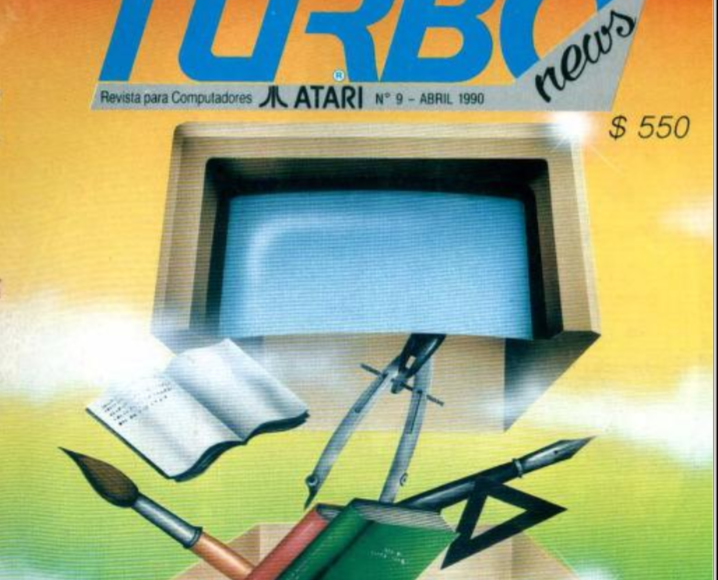
One interesting observation is that, while color printing had become common by the time this manual was published, none of the images in the manual are in color, even though the cover is. This could be due to various factors, but it may also reflect the context in which the manual was published. Chile, a smaller Latin American country, may not have had the same level of technological resources as the United States. The decision to use black-and-white images could be a cost-saving measure or reflect the limitations of the printing industry at the time. Especially considering that the manual’s cover is printed in color.
Additionally, the manual’s structure and content take into account a key challenge for its intended audience: the language barrier. Many of the computer prompts and commands are in English, which creates an additional barrier for non-English speakers. The manual often has to refer to these English prompts directly before offering a translation or explanation later in the description of their functionality. This delay in translation suggests that the manual is not just teaching technical skills, but also attempting to adapt its language to deal with the language barrier while keeping its consistent professional teaching voice and language usage.
This approach highlights the broader issue of technology’s global spread, where systems designed in one language and cultural context (often English) are introduced to places where users may not share the same familiarity with the language, requiring adaptations like the ones seen in this manual.
Although the manual does not ever explicitly state that the computer is anything or is this specific thing, this manual focuses primarily on the functional aspects of computers, particularly their role in the workforce, with an emphasis on handling data and managing products stored within the disk, as explicitly mentioned. The language used throughout highlights the computer’s professional applications, reinforcing its importance in work-related tasks rather than personal or recreational use. Although the manual briefly touches on customization, such as using specific commands to modify your screen, it maintains a consistent focus on the serious, professional tools available on the computer, rather than exploring its potential for entertainment or personal customization. This narrow focus reflects the era’s perspective on computers as essential work tools, prioritizing productivity and efficiency over personal uses that would become more common in later years. The manual alludes to the fact that computers are not an object of entertainment, but rather an object of serious and productive tasks.
 Cultural History of the Internet