
 Posted by
 Usenet represents one of the earliest forms of online discussion, and it offers a singular window into the evolution of digital culture, particularly with respect to the ways in which communities self-regulate their interactions. The newsgroup “Alt.Disney,” and specifically the discussion room “Toy Story Toys,” illustrates a mix of informal self-regulation and implicit guidelines influencing the shaping of the group’s communication. The interaction within this space shows both the limits the group imposes on the content and the communal norms that keep a cohesive dialogue. From this perspective, we will better understand how online communities establish order and exercise control of behavior without formal censorship.
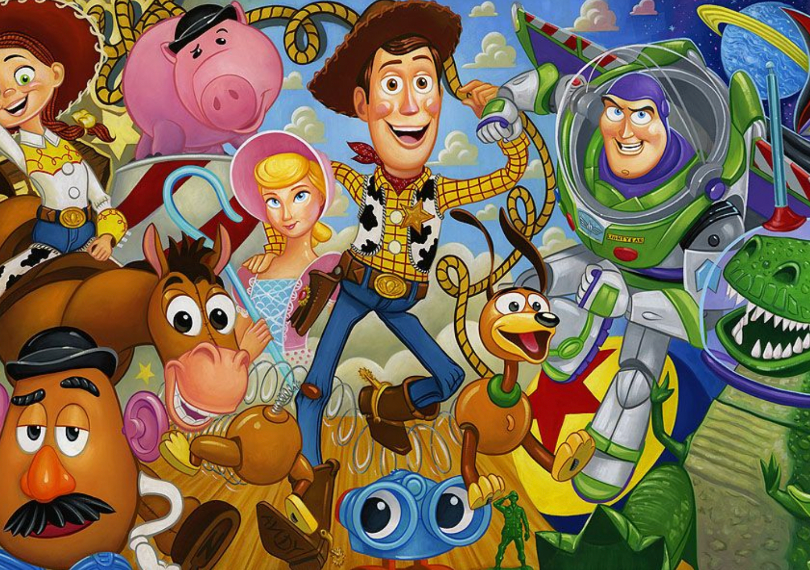
It is in the name itself, which defines the ground level of regulation of the Disney newsgroup. The name itself with the subgroup Toy Story Toys prescribes the nature of discourse one is to expect from its participants. So, here in the naming convention lies basically a boundary allowing one to delve into what really ought to go in the group. By bounding the topic to Disney-related matters, more precisely toys related to Toy Story, the rule becomes unwritten within the community. It helps ensure that users will stay on topic without overt enforcement or frequent reminders and reinforces a shared understanding of the purpose of the group.
This form of soft regulation works precisely because it creates an affiliation for members with a common interest. The parameters attached to the name of the group filter out irrelevant content, which minimizes the need for proactive moderation of the newsgroup. The clarity created by the focus of this newsgroup provides for a self-selective process where participants will show up because they have a legitimate interest in the material that fits within these predefined boundaries.
The interactions of the Toy Story Toys room show how a community will self-moderate in a collective way, with shared norms becoming accepted and followed by all. Members consistently keep their posts related to Dinsey merchandise, with no posts regarding the explicit rules of moderation. When people share posts to this room, they relate the news to the main topic of Disney toy collectibles to stay within the scope of the newsgroup’s focus.
This easy and smooth movement between related topics is one form of self-regulation. This group stays on topic without overt mechanisms for keeping people on topic suggesting a good level of community cohesion. The implication would seem to be that members tend to internalize the expected norms of the group and engage in a degree of self-regulation in order for their posts to have value to the discussion.
One of the striking features of this thread is the commercial postings advertising some kind of products or services regarding Disney toys. A member of this room, Richard L. Trethewey, sent messages with an attached list of toys he had to sell, and his messages were built as advertisements. Despite these, messages received acceptance and even a response on parts of other members, like Monique or Brandi, who want more information or ask some follow-up questions about particular products.
This would mean the members are quite tolerant of commercial postings, signaling a community more interested in the relevance of the content rather than in its form. The group seems to be interested in the usefulness of the information conveyed, so long as it falls within their common interest in Disney collectibles. In giving room for such advertisements, the newsgroup self-regulates the kinds of commercial messages considered acceptable, separating these from those that may fall under spam or irrelevant posts.
Another level of soft regulation to the Disney newsgroup consists of the politeness and courtesy exchanged. Indeed, there were posts in that thread that had a very friendly and enthusiastic tone, with members exclamation excitement about toys or asking for more details in the most polite of manners. The tenderness characterizing this exchange points toward another kind of rule followed by the group: that one would be expected to contribute to the flow of constructive discussion.
The lack of conflict or violent behavior suggests that this norm is understood and adhered to without necessarily being given. Being able to control the behavior of members in this fashion serves to facilitate creating an open environment in which users can freely state their opinions and/or ask questions. It is also a proactive means of not disturbing the behavior since those who will not join in on the set tone of the group are not likely to post or be invited into the conversation.
The placing of cultural references, as done by Michelle Klein-Hass, using humor forms another layer to group dynamics. Lightly commenting, “Enjoy life more, have better health, be happy. WATCH MORE CARTOONS!!,” reflects her enthusiasm for animation while strengthening the communal bond among its members. Such use of humor serves to be a sort of social glue, reinforcing feelings of belonging within the group, while subtly leading and setting the tone of the interactions.
References to cultural knowledge and in-jokes are good for establishing an identity of their own within the group feeling that members belong to a community of like-minded people who share values and interests. This informal regulation elicits cordiality and, above all inclusiveness, which lets members interact with each other much more deeply than it would be about the subject matter.
The various dimensions of self-regulation in this thread are value-based discussions from the posts by Brian, where he critiques the prices of the toys and suggests better deals for them. Emphasizing whether Toy Story toys can be afforded and are available, Brian moves the discussion to practical advice, which is a good consumerist approach for the community. His post hence invites critical thinking on the part of people in their purchases and adds consumer advocacy to another layer of interaction in this group.
This particular regulation provides an added value for the group as a whole and goes against the promotion of products to promote a discussion on value and quality. It should count as an unusually good example of how those in one community might take responsibility for developing the conversation appropriately in terms of members’ shared interests and values to the end of gaining trust and support.
One variant of this model for self-regulation by implicit rules of conduct, shared more, and more communal tolerance is this Toy Story discussion thread. Instead of formal rules or active moderation, it is based on one collective sense of its direction and mutual respect among its members to maintain order. These sets of topic-specific orientation, acceptance of the relevant commercial content, emphasis on politeness, and a focus on value discussions do actually help constitute a well-regulated online space. Community through internalizing norms in members themselves and reinforcing them through social interactions within an active mutual respect culture.All of this works because of the flexibility it carries. The ability for the group to reshape itself in regard to the interests that develop among its members while remaining in a coherent and focused dialogue. As an implicit moderation model, a shared cultural norm, this has remained one of the key points guiding a number of online communities today about how we surf the modern-day Internet.
 Cultural History of the Internet