
 Posted by
 The GeoCities’ archival of the Alano Club of Lexington, Kentucky is a moment in history and an important window into Internet culture, particularly about how communities used early Web platforms as a place to create online identities and congregate similar ideas. Operating as support for a community of alcohol and drug-recovering individuals, this site reveals early usages of the web to foster a sense of belonging and create accessible space for social interaction. When considering aspects of production and consumption regarding the GeoCities page, one can understand how it communicates identity through its aesthetic choices, emphasis on community, and intended audience.
Recovery Site, The Alano Club of Lexington, is unmistakable for people in recovery from substance use and those who participate in the meetings and activities within AA. The creators of the website, identified as David A., club manager, and Jerry P., assistant manager, offer names and contact information, therefore signaling a personal touch with a sense of accountability to the community they foster. Webmasters position themselves not only as representatives of the physical clubhouse but also as ones who are responsible for creating this digital extension of their recovery community.
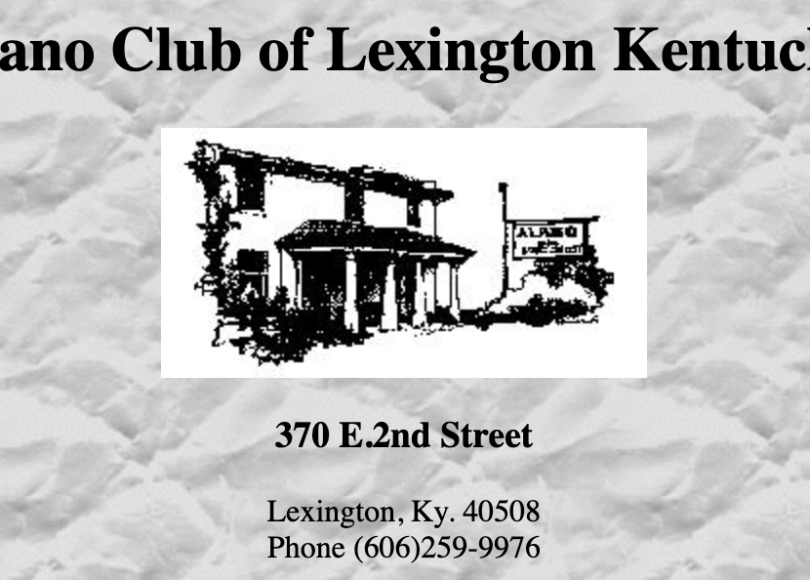
It is visible that the site appeals not only to the current members of the Alano Club but to the future visitors or to the ones who need the help of recovery. The club address and contact number are foregrounded, giving the indication that this is an outreach site, thereby connecting people in Lexington and elsewhere with a physical location for the club. Demanding of its visitors that they mention they “found us on the Internet,” this page has kept its status as a portal to a real-world place.
As to the audience this page’s creators would have intended viewing, the most obvious group would include those in recovery programs. While a larger reach can be presumed here, family members of those in recovery may happen upon the page; those interested in joining AA but perhaps a little apprehensive about attending live meetings. This GeoCities page is a semi-anonymous source to research exactly what is available at the Alano Club without feeling obligated to make a visit. In the days before social media, at least this much information is online.
The design and phrasing of this entire page reflect deep roots in the culture of Alcoholics Anonymous-support, companionship, and shared experience. The repeated appeal to “recovery” and with terms such as “sobriety.” “honesty,” and “12 steps” suggest that creators are quite actively building a collective identity with and through those core AA precepts. In fact, the very fact of the Alano Club Website positioning itself so centrally around AA meetings, listing times for multiple sessions every day of the week, speaks to the core identity of the site’s users. This is not only a website for a social club but for a space where recovery and community are built because it comes first.
This sense of identity is furthered through the inclusive and inviting language everywhere. The activities and services that can be accessed from watching television to playing games, even events like line dancing and potluck dinners. These activities create a communal space that is more than a meeting space – it’s a space to “hang out, form meaning, sober relationships with others sharing the same struggles” The openness of the site invites new visitors while reinforcing a sense of shared identity for the existing membership.
In the same moment, the tools one uses to make this website speak also to the identity of its producers and consumers. Putting the Alano Club within the confines of GeoCities places it within the greater contect of early internet DIY culture. Slightly outdated, with things such as basic formatting, inline images, and HTML-heaby construction, this speaks volumes about authenticity and grassroots organization. This is not some sleek, professional website; this is an honest, community-driven undertaking. That clunky charm of GeoCities lends a rawness to the page, perhaps showing the honesty and transparency the club has towards recovery.
The Alano Club website is a combination of these two different approaches to passively consuming versus actively interacting with this website for visitors. Passively, it is an information resource as they post schedules of the various meetings, events, and special activities, such as the Thanksgiving Potluck or Christmas Dance, through this, they could plan trips to the physical clubhouse and by so doing actually erase the line separating online consumption for real-world involvement.
Meanwhile, the site also includes a guestbook and email links to contact the club-databases common for early web culture. Each of these resources asks visitors to engage with this virtual space actively-by leaving a message, by registering for events, or even simply sending an email to ask more about the club. These interactive features make the Alano Club website a part of the same community and connectivity feeling that supports the very early web development and is at the core of the club itself.
The ways in which the Alano Club page is consumed reveal something about certain assumptions concerning the individuals who visit the club. For one, the frequent mentions of sobriety and events listed off such as AA meetings and “Alka-thons” indicate that a significant number of people on this site and very deep into their recovery journeys or are newcomers looking for a safe space in which they can begin to start their own. Such events, ranging from line dancing to chess tournaments, indicate that the creators understand that different activities will attract different people and thus indicate an awareness of a diverse set of identities and interests among their membership.
Perhaps one of the most compelling views into what the early internet was capable of in terms of community can be seen in the Alano Club of Lexington, Kentucky. It is at once a virtual extension of physical club space and an identity and value of its users-sober and in recovery. The website captures a time when the web was not full of social media but full of often very grassroots efforts to connect to one another around shared interests and struggles.
With regard to the circuit of culture, it would seem that these modes, production, representation and consumption, are indeed interconnected to reinforcing the users’ sense of collective identity and providing them with an arena of interaction with which to relate, learn, and heal. In that sense, the website of the Alano Club constitutes a kind of digital monument for the type of communities that flowered on GeoCities: vibrant places where users could create, share and also be part of a sense of belonging in the still-emerging digital landscape.
 Cultural History of the Internet